The Layers of a Built-Up Roof
What makes built up roofing distinctive is how it is constructed, built up layer by layer into a robust membrane. Understanding the layers explains how BUR works and why it is durable. Here is how the layers of a built up roof come together on a Columbia City commercial building.
The Base Sheet
A built up roof typically starts with a base sheet, the first layer that goes down on the prepared roof deck or insulation and provides the foundation for the plies above. The base sheet anchors the system and begins the buildup. For a Columbia City building, understanding the base sheet explains where a BUR roof starts, since it provides the foundation for the layers that follow. The base sheet is the starting layer. This base sheet is the foundation of a built up roof, since it is the first layer that goes down and provides the base for the plies and surfacing above, anchoring the system and beginning the buildup of the multi ply membrane on the commercial building.
The Reinforcing Plies
Over the base sheet, a built up roof has reinforcing plies, layers of felt that provide the reinforcement and are built up to create the membrane's strength. Multiple plies are typically used, each adding strength and redundancy. For a Columbia City building, understanding the reinforcing plies explains how BUR gets its strength, since these felt layers provide the reinforcement. The plies build up the membrane. These reinforcing plies are central to a built up roof, since the felt layers provide the reinforcement that gives the membrane its strength, and building up multiple plies is what creates the robust, redundant membrane that is the hallmark of built up roofing on the commercial building.
The Bitumen Between Layers
Bitumen is applied between the layers of a built up roof, bonding the plies together and providing the waterproofing that keeps water out. The bitumen, a form of asphalt or tar, is what makes the membrane waterproof and holds the system together. For a Columbia City building, understanding the bitumen between layers explains how BUR waterproofs and bonds, since the bitumen is the waterproofing and the adhesive. The bitumen waterproofs and binds. This bitumen between layers is essential to a built up roof, since it provides the waterproofing that keeps water out and bonds the plies together into a unified membrane, making it the element that both seals the roof and holds the layered system together on the commercial building.
The Surfacing Layer
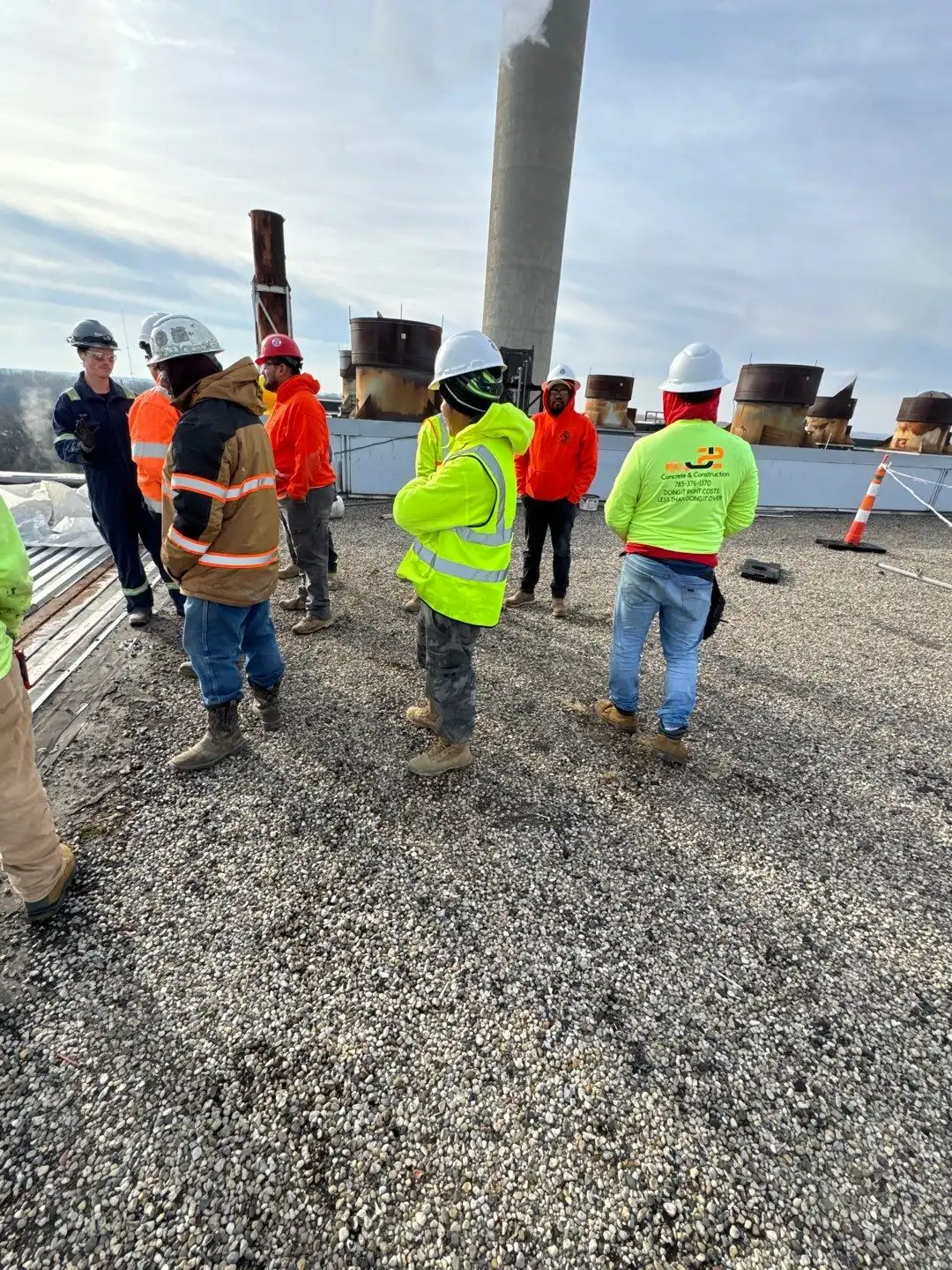
A built up roof is finished with a surfacing layer, often gravel, that protects the membrane from UV and the elements and provides the roof's top surface. The surfacing shields the bitumen layers beneath, extending the roof's life. For a Columbia City building, understanding the surfacing layer explains the top of a BUR roof, since the surfacing protects the membrane. The surfacing is the protective top. This surfacing layer is the finishing element of a built up roof, since the protective surface, often gravel, shields the bitumen membrane from the UV and weather that would degrade it, providing the roof's top surface and helping the membrane last on the commercial building.
How the Layers Work Together
The layers of a built up roof work together as a system, with the base sheet anchoring, the plies reinforcing, the bitumen waterproofing and bonding, and the surfacing protecting. Each layer contributes, and together they create a robust, redundant membrane. For a Columbia City building, understanding how the layers work together explains BUR's strength, since the system's durability comes from the combination of layers. The layers form a unified whole. This working together of the layers is what makes built up roofing robust, since the base sheet, reinforcing plies, bitumen, and surfacing each contribute to a unified system, combining to create the durable, redundant membrane that gives BUR its proven performance on the commercial building.
Redundancy in the Layers
The layered construction of a built up roof provides redundancy, with the multiple plies meaning that if one layer is compromised, others still provide protection. This redundancy is a key benefit of the multi ply construction. For a Columbia City building, the redundancy in the layers is a valuable feature of BUR, since it provides backup protection that single layer systems lack. The redundancy adds resilience. This redundancy in the layers is one of built up roofing's key strengths, since the multiple plies mean the roof does not depend on a single membrane, and if one layer is compromised, others still protect the building, giving BUR a resilience that comes directly from its layered construction on the commercial building.
How a BUR Roof Is Built
A built up roof is constructed from a base sheet, reinforcing plies, bitumen between the layers, and a surfacing layer, all working together as a redundant system. Understanding these layers explains how BUR achieves its proven durability on a Columbia City commercial building.
One thing worth understanding about built up roofing is its place in commercial roofing history. For much of the last century, built up roofing was the dominant system for commercial flat roofs, and it remains common on existing buildings today. Its longevity as a system speaks to its proven performance, since few roofing approaches have such a long track record. For a Columbia City building, this history means a built up roof is a known quantity, with generations of demonstrated durability behind it. Many commercial buildings still have BUR roofs that are maintained and repaired to extend their service. Columbia City Commercial Roofing understands built up roofing as part of a full range of commercial flat roof systems, helping building owners maintain, repair, and when necessary replace these proven roofs on their commercial buildings.
Get Expert BUR Roofing
Want a built up roof built or repaired right? Call Columbia City Commercial Roofing at (765) 676-3491 for a free inspection of your Columbia City commercial building. We understand BUR construction and handle repair and replacement properly, building up a durable, redundant membrane that protects your building for years.